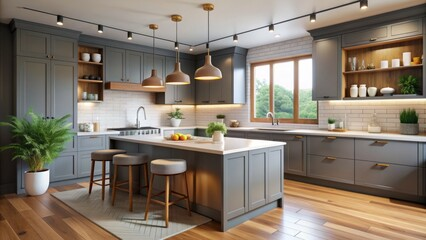
Cabinet Painting Sacramento is one of the most cost-effective ways to refresh your space without a full renovation. It is also a more eco-friendly option than replacing cabinets, as it reduces waste and minimizes landfill contributions.
The type of paint you choose has a significant impact on cabinet painting costs. High-quality paints provide superior durability and resistance to moisture, but they often come with a higher price tag.
High-Quality Paints
Cabinet painting is a cost-effective way to upgrade the look of your kitchen without spending as much as new cabinets. However, the quality of the paint you choose plays a significant role in the overall cost. Premium paints tend to have a higher price tag but offer superior durability that can withstand the daily wear and tear of a busy kitchen. Lower-quality paints may fade faster or require more frequent touch-ups, which drives up labor and material costs.
The current condition of your cabinets also influences the cost. If your cabinets are damaged or have cracks and dents, these must be repaired before painting can begin. This process adds to the timeline and labor costs, especially if your cabinets are intricate in design with detailed molding or raised panels.
You’ll also need to consider the sheen (or finish) of your cabinet paint. Glossy finishes are more durable and easy to clean, while matte finishes hide stains better but don’t stand up as well against water or dust.
Staining is a more budget-friendly alternative to painting, but it doesn’t allow for the same level of color and style customization. In addition, staining can be difficult to maintain as dirt and fingerprints will show up more prominently on the finished product.
Simple Colors & Finishes
Choosing simple cabinet paint colors and finishes can help reduce the overall cost of your project. Lighter paint colors tend to require fewer coats, which drives down material costs. Similarly, choosing a finish with a low sheen (like matte or satin) can help to lower labor expenses. Sheens range from high-gloss to flat and offer varying levels of durability, ease of cleaning, and ability to hide imperfections.
Oil-based and acrylic paints typically offer better adhesion, durability, and moisture resistance than latex varieties. However, these types of paints have a stronger odor and may take longer to dry. Adding this extra time and labor to the painting process can drive up your cabinet painting costs.
Specialized techniques like glazing, faux finishes, and intricate designs can also add to the overall expense of your project. While these designs are beautiful, they can be time-consuming and require more expertise than standard painting methods.
Before you start painting, be sure to set aside money for paint and other materials like masking tape, drop cloths, and sandpaper. Depending on the size of your cabinets, you may need more than one roll of paint or several containers of primer to achieve an even and durable finish.
Painting your cabinets is a more budget-friendly option than refacing or replacing them, but it’s important to understand that the quality of your results will depend on the level of preparation and work involved. If your cabinets are in poor condition, repairs may be necessary before the painting process can begin. This can lengthen your timeline and increase your overall costs. In addition, hiring a professional MJ Workforce Solutions Tasker can ensure that your project goes as smoothly as possible and that you’re not left with unsatisfactory results.
Extensive Surface Preparation
When painting cabinets, the surface preparation is an important factor that influences the duration and cost of a project. The process can involve extensive cleaning, sanding, and priming to achieve a smooth finish and ensure that the new paint will adhere properly. The cabinet material and condition also influence the amount of preparation that is necessary. Solid wood may require more extensive prep than MDF or laminate. Cabinets with molding, glass inserts, or other details can also be more expensive than plain cabinets because they will need to be individually sanded and primed.
The type of paint you choose can also affect the final price of a project. High-quality paints typically come with a higher price tag, but they are more durable and will stand up to moisture and wear-and-tear better than standard paints. Oil-based paints are especially durable and long-lasting, but they can be more expensive than water-based options.
A trustworthy contractor will provide a thorough and transparent estimate that clearly includes labor, materials, and any additional charges like sales tax or lead paint removal fees. It’s always a good idea to get multiple quotes from contractors so that you can compare prices and find the best deal.
A cabinet painting project can take between 10 and 20 hours to complete, depending on the size of your kitchen and the condition of your cabinets. If your kitchen has hard-to-reach areas or detailed detailing, it will take longer to cover all the surfaces that need painting and ensure a seamless, professional result. Additionally, any repairs or upgrades you want to make to your cabinets will add to the total cost of the project. For example, if you want to upgrade from a basic white color to a bold blue, you will need to pay for additional materials and labor.
Complex Designs
Cabinet painting is a cost effective way to refresh your kitchen or bathroom without undergoing a complete renovation. However, the actual cost can vary significantly depending on various factors that affect surface preparation, paint quality, and complex design options. Understanding what influences these costs can help you plan your budget and expectations.
Choosing high-quality materials that are designed for cabinets, like alkyd-based or acrylic paints, will ensure that your results look great and last longer than cheaper options. These materials also tend to be more durable, and are better able to withstand moisture and wear. Similarly, choosing a lighter shade of paint may require more coats than a darker color to achieve full coverage, which increases both material and labor costs. Lastly, adding unique or artistic techniques like glazing or faux finishes will increase your costs as well.
Another factor that impacts cabinet painting cost is the type of doors you have. Solid wood doors are more expensive to paint than HDF, laminate, or MDF doors because they often need to be sanded more extensively to achieve a smooth finish. Additionally, more intricate door styles like raised panels or glass inserts will require more effort to ensure that the paint reaches all areas of the surface.
Labor typically represents 60-85% of the total cost when hiring professional painters. The number of painters needed, their hourly rate, and site-specific tasks like removing or installing new hardware can all impact labor costs as well.
Professional Labor
Cabinet painting is a budget-friendly option for homeowners who want to refresh their kitchens or bathrooms without a full renovation. Hiring professionals to complete the project will cost more upfront, but it ensures a high-quality result with minimal hassle and time commitment. Labor is the biggest factor in overall cabinet painting costs, with varying rates depending on your specific project’s needs and complexity.
The type of paint you use can also impact the final price. Acrylic and alkyd-based paints offer better adhesion, durability, and moisture resistance than vinyl latex varieties. However, these types of paints typically require more coats and are more expensive. Additionally, choosing a gloss finish will require additional layers and can significantly increase material and labor costs.
Other factors may also add to your final cabinet painting costs, such as glazing, distressing, and two-tone designs. These techniques take longer to apply and require specialized skills. Additionally, if your cabinets have complex layouts or hard-to-reach areas, they’ll be more costly to paint than simpler layouts.
The condition of your cabinetry also impacts the cost of the project. If your cabinetry is in good shape, it’ll require less prep work than older or damaged cabinets. These may need extensive repairs, sanding, or stripping to prepare the surface for painting.
If your cabinets are made of solid wood, they’ll likely need to be sanded and primed before being painted. This can add a significant amount to your total cost, as well as the potential for more frequent touch-ups in the future. Similarly, wood veneer can be easier to paint than solid wood, but it may require more thorough sanding and preparation. Overall, cabinet painting is generally more eco-friendly than replacing or refinishing cabinets, as it generates significantly less waste.